Preparing your accounts should not be a once-a-year scramble, yet many individuals and businesses still treat accounting as a year-end obligation rather than a continuous process. The result of this is the stress, missed opportunities and sometimes costly mistakes. A more effective approach is to maintain your financial records consistently throughout the year. This not only makes year-end reporting easier but also provides valuable insights to guide smarter decisions.
Keep Financial Records Updated regularly:
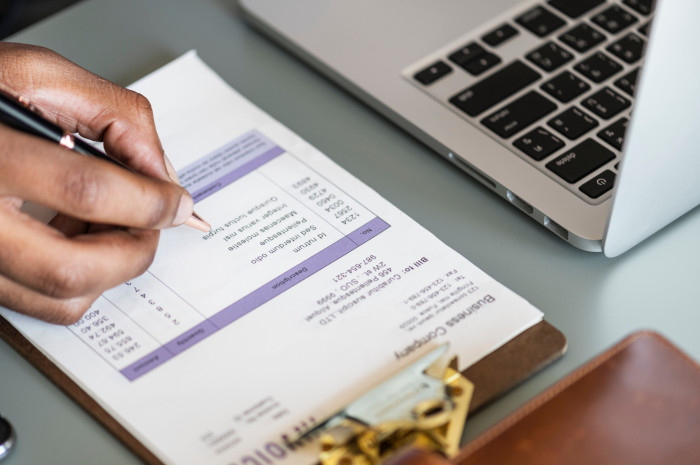
One of the most important habits for any small business is to keep financial records updated on a regular basis. Waiting until year-end to process receipts, invoices and expenses can result in missing information and inaccurate figures.
Business owners should allocate a fixed time each week or month to record income, expenses, supplier invoices, payroll details, check cash flow and any other financial transactions. Using accounting software can make this process quicker and more efficient by automatically categorising transactions and generating reports.
When records are updated regularly, it becomes much easier to identify problems early, such as unexpected costs, delayed customer payments, or declining sales.
Separate business and personal finances:
A common issue among micro and small businesses is the mixing of personal and business finances. Using the same bank account or credit card for both personal and business transactions can make bookkeeping confusing and increase the risk of mistakes.
To maintain clear and professional accounts, businesses should always use a dedicated business bank account. Business-related purchases, income, and expenses should flow through that account only.
Separating finances provides a clearer picture of small business performance, cash flow and reduces the time required to prepare financial statements, tax returns, and year-end accounts.
Monitor cash flow consistently:
Cash flow is often one of the biggest challenges for smaller businesses. A company may appear profitable on paper but still face financial difficulty if cash is not available when needed.
Throughout the year, the business owners should regularly monitor how much money is coming in and going out. Reviewing cash flow statements monthly can help identify periods where expenses may exceed income.
It is also important to follow up on unpaid invoices promptly. Late customer payments can create serious cash shortages, particularly for smaller businesses with limited reserves. Setting clear payment terms, issuing invoices quickly, and sending reminders when payments are overdue can significantly improve cash flow.
Reconcile bank accounts monthly:
Bank reconciliation is the process of comparing business records with bank statements to ensure that all transactions match correctly.
Many small businesses delay this task until the end of the year, but monthly reconciliation is far more effective. Regular bank reconciliations can help identify duplicate entries, missing transactions, bank charges, or fraudulent activity.
By reviewing bank records each month, business owners can maintain accurate accounts and avoid large discrepancies that become difficult to resolve later.
Keep track of tax obligations:
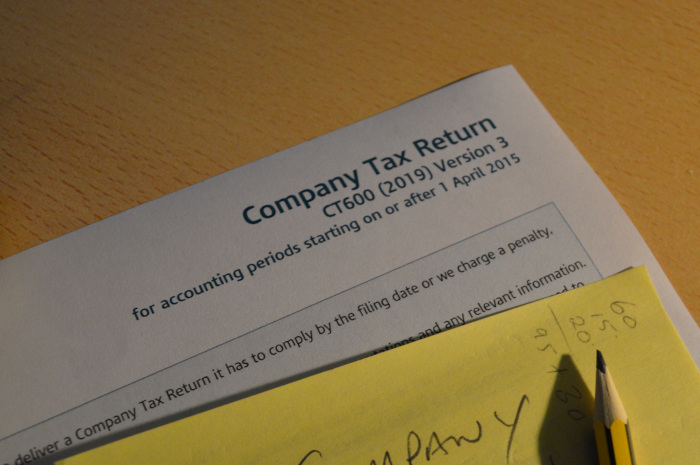
Tax compliance should never be left until the final weeks before a filing deadline. Businesses need to be aware of their tax filing obligations throughout the year, whether these involve VAT, payroll taxes, corporation tax, or self-assessment requirements.
Keeping track of deadlines is essential. Missing a tax payment or filing date can result in penalties, interest charges, and additional scrutiny from tax authorities.
It is advisable to set reminders for all important tax deadlines and keep money aside regularly for future tax payments. Some businesses find it useful to place a percentage of their monthly income into a separate savings account to ensure sufficient funds are available when taxes become due.
Review financial reports frequently:
Financial reports are not only for accountants or year-end submissions. They are valuable management tools that can help business owners understand how their company is performing.
Key profits such as profit and loss statements, balance sheets, and cash flow reports should be reviewed regularly. These reports can highlight whether sales are increasing, expenses are rising, or profits are declining.
Frequent review of financial data allows businesses to make better decisions regarding pricing, staffing, stock levels, and future investments. It also helps identify trends and areas where improvements may be needed.
Maintain proper documentation:
Every business transaction should be supported by proper documentation. This includes receipts, invoices, purchase orders, contracts, payroll records, and bank statements. Organising these documents throughout the year can save considerable time during audits, tax preparation, or year-end accounting reviews. Small businesses should consider using digital storage systems to scan and store records securely and accurately.
A clear filing system, whether digital or paper-based, makes it easier to location information when needed and reduces the likelihood of losing important documents.
Conclusion:
Preparing accounts should not be viewed as a once-a-year activity. For micro and small businesses, keeping financial records accurate and up-to-date throughout the year is essential for stability, growth, and compliance.
By maintaining organised records, monitoring cash flow, reviewing reports regularly, and staying aware of tax obligations, businesses can reduce year-end pressure and make better decisions all year round.
A proactive approach to accounting not only saves time but also creates a stronger financial foundation for long-term success.