Keeping record of your income and expenses is essential for understanding the financial health of your company. It helps you see whether you’re making a profit, where your money is being spent, and the changes to your financial situation over time. Thorough record keeping helps you ensure that you consistently meet tax obligations, avoids penalties and fines and also acts as evidence should HMRC request supporting documentation. It’s also worth noting that consistent record-management reduces stress, saves time during busier periods, and allows you to make accurate business decisions based on the information you have.
Maintaining professionalism, managing cash flow more skilfully, and supporting long-term financial planning are all made possible by good record-keeping practices.
Understand What Records You Need to Keep
Before you begin organising your financial information, it’s important to know exactly what records are necessary. Businesses should be keeping documentation related to all sources of income, expenses, invoices issues and received, bank statements, receipts, contracts, payroll records and any tax related documents. Maintaining digital or hard copies of every document guarantees that you are ready for any tax inquiry or audit.
Choose a System for Record-Keeping
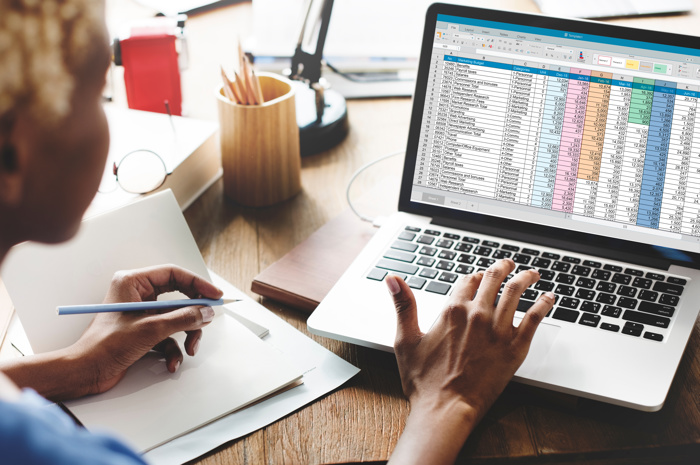
The right system for your company can be depended on quite a few factors - business size, preferences, and financial activity. Some may opt for traditional paper files and folder, while other people may prefer spreadsheets or cloud-based accounting software.
Once an appropriate record-keeping system has been chosen, it is crucial to use it accurately and consistently. In order to maintain effective financial records, income and expenses must be actively recorded, reviewed, and managed on a regular basis.
The following steps outline key practices businesses should follow to ensure accurate record-keeping, maintain financial control, and support informed decision-making.
1. Track Income Effectively
Recording income accurately ensures you know exactly how much money is coming into the business. You should record every amount paid into the company (either via sales or payments) and the date this amount was received. Categorising income by source, such as sales, other income, or interest income can help ensure clearer reporting.
2. Track Expenses Accurately
Tracking expenses is equally important, and you can do this by collating all receipts and invoices for all business-related purchases. It’s also helpful to categorise your expenses by type (e.g. travel + subsistence, direct purchases, utilities, office supplies, accountancy fees). Any personal expenses paid through the business account should be recorded separately – they are to be treated differently in your accounts. These payments would be treated as a director’s loan, which is money owed back to the company.
3. Regularly Reconcile and Review Your Records
You can set a schedule to review financial records (weekly, monthly, or quarterly) to catch errors early and also compare internal records such as invoices, receipts and bank statements to ensure there is consistency across records. You can check for missing transactions or duplicates and resolve discrepancies promptly rather than waiting until it’s time to file accounts and tax returns, helping you avoid the stress of last-minute corrections.
4. Prepare for Taxes and Legal Compliance
Staying on top of your filing obligations, means noting down all your filing deadlines and keeping records organised according to HMRC and Companies House requirements. You need to ensure all income and expenses are fully documented with receipts, invoices and statements, and maintain records for the legally required period. For example, HMRC usually requires 6 years. Good records can help you file to HMRC and Companies House easily, as it’s much simpler to produce the company’s year end figures.
5.Tips for Staying Organised and Efficient
- Use cloud-based accounting software helps automate transaction recording and reconciliation. Opting for bank accounts that are directly linked with accounting software can further streamline this process by categorising transactions for you. Banks such as Starling, NatWest, Monzo offer direct integrations with book-keeping platforms like QuickBooks, Xero, FreeAgent, Sage, which can help you track your income and expenditure more easily. This integration also supports better cash flow management by providing real time visibility of cash transactions, automatic transaction categorisation and automated reconciliation. In addition, accounting software can improve cash flow forecasting by using historical data and outstanding invoices to produce cash flow projections, allowing for more informed decision making that benefit your business.
- Keep everything in one location. You need to establish a consistent method for keeping invoices, statements, and receipts, either in a labelled filing system or digitally (scanned and stored on the cloud).
- Categorise your income and expenses with the same categorises to make tracking easier.
- Avoid using your business card for personal transaction to reduce confusion and simplify reconciliation.
- Maintain a petty cash log – this is ideal for tracking small cash expenses immediately to avoid them being forgotten
Conclusion
Accurate income and expenses records are essential to the successful running of your business. It’s not optional, and staying on top of your record-keeping can help you meet filing obligations efficiently and make strong business decisions that promote growth and future planning. It’s worth exploring the available tools and platforms that can simplify record-keeping, and ensure your system meets your business needs. For more tips on running your business see our knowledge base.