
Micro companies often work with small budgets and very efficient teams. In this workplace, company compliance can feel complicated or overwhelming. Many managers naturally focus on sales, delivering services, and managing cash flow, while regulatory requirements move down the priority list. However, company compliance is not optional, no matter the size of the business. Without it, companies risk fines, reputational damage, and disruptions to daily operations.
Micro businesses do not need large compliance departments or complex systems. What they need is a simple, structured approach that fits their size and risk level. Company compliance should support stability and growth, not slow the business down. When handled properly, it strengthens trust, builds credibility, and creates a solid foundation for long-term success.
What is a compliance system?
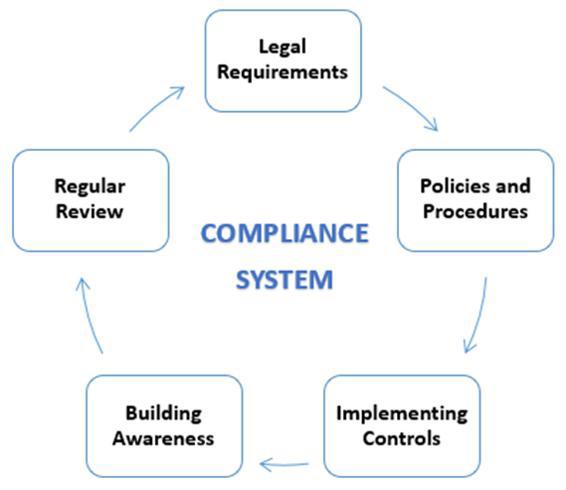 The set of rules, guidelines, and controls that guarantee a company complies with legal and regulatory standards is known as a compliance system. It encourages moral behaviour and internal responsibility. The compliance system needs to be affordable, practical and in line with actual business risks for micro companies. It should also be manageable without the need for specialised staff while still fulfilling essential legal requirements.
The compliance systems typically include documented policies, assigned responsibilities, monitoring procedures, and record-keeping systems. They do not need to be lengthy or complicated, as overly complex systems often fail as they are not consistently followed.
Identifying Applicable legal and regulatory requirements:
Determining which rules and regulations apply to the company is the first step in creating an efficient compliance system. Requirements vary depending on factors such as company location, the industry sector, and operational activities. For example, a retail business may be subject to consumer protection and product safety regulations, while a corporation that handles personal data must follow to applicable data protection rules.
All businesses, regardless of size, must address corporate registration, tax compliance, and financial reporting obligations. Employment laws regarding pay, contracts, and working conditions are applicable if workers are hired. Additional licenses or certificates may be needed in some industries, such as healthcare, financial services, construction, or food services. Creating a straightforward compliance register that lists all the relevant regulations provide clarity and guidance.
Developing clear and practical policies:
The next stage after identifying legal duties is to create clear policies that take those needs into account. Company compliance policies for micro companies need to be written in plain, clear English. The intention is to offer direction rather than create unnecessary paperwork.
A code of conduct, a financial controls policy, an information security policy, and a data protection and privacy policy are examples of core policies. A health and safety policy is also crucial if the company has a physical location. These documents should specify duties, lay out expectations, and clarify basic procedures. All team members should have easy access to the policies, and they should be reviewed on a regular basis to stay up-to-date.
Assigning roles and accountability:
Clear responsibility is crucial, even in very small teams. The belief that ‘someone else’ is in charge of compliance is one of the most frequent mistakes made by micro companies. Without assigned accountability, important tasks could go unnoticed. Assigning ownership for these tasks ensures that compliance activities are completed. The founder or the managing director normally oversees the tasks. However, specific tasks can be assigned. Clearly documenting these roles prevents confusion and establishes accountability.
Implementing practical internal controls:
Policies alone are not enough; they must be supported by daily operational controls. Internal controls are the mechanisms that ensure compliance is actively maintained. These regulations need to be straightforward and practical for the micro companies. Systems that are too complex are unlikely to be followed consistently.
Requiring two-factor authentication for business accounts, recording expense approvals, keeping contracts in safe digital storage, and restricting access to sensitive data are examples of the practical controls. Financial records should be properly recorded and bank reconciliations should be carried out on a regular basis. Encryption and safe backup practices should be put in place if the business manages personal data.
Training and building awareness:
Compliance is most effective when it becomes part of company culture. Regular communication regarding compliance expectations is crucial, even for micro companies. Formal training programs are not always required; however, regular discussions or brief refresher courses can reinforce best practices.
Workers should be able to identify and report possible problems, such as harmful working conditions, conflicts of interest, or data breaches. If they have any questions regarding a regulatory issue, they should also know who to ask.
Monitoring and periodic review:
For a company to be compliant, it calls for constant observation and ongoing review. Business operations frequently change over time, and laws and regulations are subject to change. A micro company should examine its compliance efforts at least every quarter or every two years. These reviews can determine whether filings are current, regulations are still applicable, and controls are operating efficiently.
Documenting these reviews provides evidence of effective governance. Additionally, it enables the business to spot weaknesses before they become major issues. Compliance systems are kept up-to-date with business expansion and regulatory changes through regular monitoring. That is why small, consistent checks are easier to manage than large, corrective actions.
Managing proper documentation and records:
Accurate documentation is essential for demonstrating compliance. Written record offer documentation of compliance efforts in the event that a client or partner requires it. Micro companies should keep well-organised digital records of their contracts, financial transactions, policies, and incident reports. Secure cloud storage solutions often provide sufficient protection and accessibility.
Version control for policies makes it easier to monitor changes and improvements. Problems and corrective actions should be documented in incident logs. Maintaining accurate documentation also supports operational efficiency, as information is easier to retrieve when needed. Proper record-keeping reinforces accountability and transparency.
Adopting a risk-based approach:
Micro companies cannot allocate unlimited funds to compliance, so prioritising is important. Focussing on areas with the greatest potential impact is made possible by a risk-based strategy. Financial controls, data protection, and regulatory licensing often represent major risk exposures. Businesses may reduce the possibility of major offences by working on these areas. The compliance system is more efficient and long-lasting when it is adapted to the risk profile of the business.
Common mistakes to avoid:
Many micro companies make similar compliance mistakes. These include approaching compliance as a one-time exercise, failing to assign responsibility, writing extremely lengthy regulations that no-one will read, and ignoring regulatory updates. Poor documentation is another common problem that makes it challenging to prove compliance when needed. It takes consistency and discipline to avoid these mistakes. A complicated but forgotten framework is less effective than a straightforward, constantly maintained system. Instead of being seen as a burden, compliance should be seen as an ongoing task that is included into regular operation.
Conclusion:
Compliance systems for micro companies do not have to be costly, complicated, or highly technical. They need clear direction, structure, and consistent follow-ups. When a business understands which rules apply to it, writes short and clear policies, assigns responsibilities, put basic controls in place, and reviews them regularly, even a very small team can maintain strong compliance.
A planned compliance system does more than just prevent fines or legal problems. It builds trust with customers, business partners and regulators. It also supports stable growth by creating clear and reliable ways of working.