Selling an asset for a profit can be rewarding, whether its an investment property, shares or part of a business. However, any gain you make could have tax implications. That’s where Capital Gains Tax (CGT) comes in. If you are a limited company, then the gain is taxed as a chargeable gain in the CT600.
While the term may sound complex, the principle is relatively straightforward: If you can sell or dispose of an asset for more than you paid for it, you may need to pay tax on profit.
What is Capital Gains Tax?
Capital gains tax is a tax charged on the profit or gain made when you sell or dispose of an asset that has increased in value.
Importantly, the tax is not based on the total sale price. Instead, it applies to the difference between what you originally paid for the asset and what you received when it was sold.
E.g If you purchased shares for £10,000 and later sold them for £15,000, your capital gain would be £5000. Depending on your circumstances, some or all of that gain may be taxable.
Who pays capital gain tax?
Capital Gain tax is typically paid by individuals, investors, business owners and trustees who make a profit when disposing of certain assets.
Assets that commonly fall within the scope of CGT include:
• Investment properties
• Shares and investment portfolios
• Business assets
• Land
• Valuable personal possessions above certain threshold.
However, not every gain results in a tax bill. Tax free allowances, exemptions, and reliefs may reduce or eliminate the amount of tax payable.
When does capital gains tax apply?
Many people tend to associate CGT solely with selling an asset, but the rules can be broader than that.
A capital gain may arise when you:
• Sell an asset
• Gift an asset to another person
• Transfer ownership
• Exchange one asset for another
• Receive compensation for an asset that has been lost or damaged.
In most cases, the tax is triggered when the asset is disposed of, regardless of whether money changes hands.
How is capital gains calculated?
The calculation starts with the gain made on the asset.
This is generally determined by taking the sale proceeds and deducting:
• The original purchase price
• Certain buying and selling costs
• Qualifying improvement expenses
Once the gain has been calculated, any available allowances, exemptions, or reliefs can be applied before determine the final tax liability.
Are there any exemptions?
Yes. Most tax systems provide a range of exemptions and reliefs designed to reduce the amount of tax payable.
Depending on your circumstance, these may include:
• Relief on your main residence
• Annual tax-free allowances
• Offsetting capital losses against gains
• Business related tax reliefs
The rules vary by jurisdiction, so it is an important role in calculating capital gains tax correctly.
Why record keeping matters?
Accurate record-keeping plays an important role in calculating capital gains tax correctly.
Keeping documentation such as purchase records, invoices for improvements, legal fees and sale documentation can help ensure that you claim all eligible costs and avoid paying more tax than necessary.
Good records can also make the reporting process significantly easier if tax authorities request supporting information.
For example:
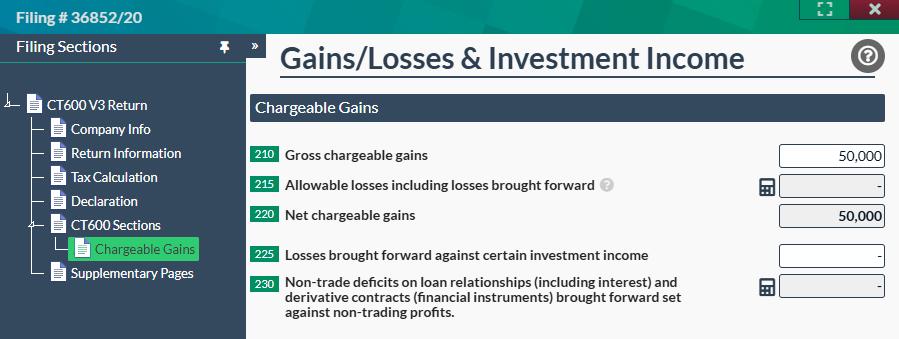
A limited company purchased a piece of land for £100,000 and later sold this for £150,000. The company therefore made a chargeable gain of £50,000.
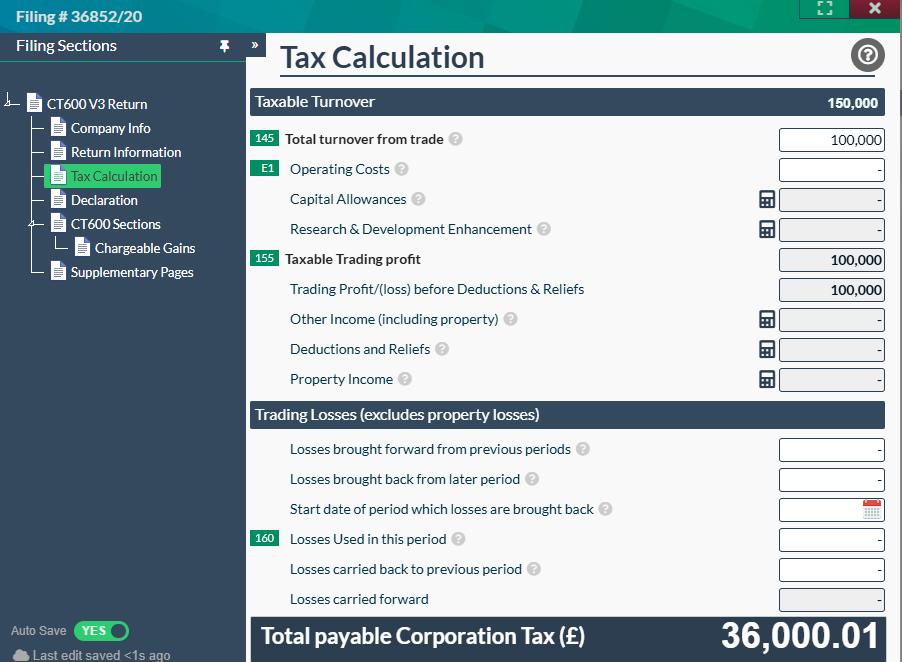
The Company also made £100,00 during the accounting period.
The chargeable gain of £50,000 is entered in the chargeable gains section of the CT600 and is added to the trading profits to arrive at the company's total taxable profits of £150,000. Corporation tax is then calculated on the total taxable profits. The rate of tax on the chargeable gain, will depend on your overall taxable profit.
If you make a loss on the sale of an asset, you can carry this loss forward to future periods and off-set against any future chargeable gain.
If you are paying capital gains tax as an individual, then depending on your other income including your salary depends on the rate of CGT you pay. You will be taxed at 18% for basic rate taxpayers or 24% if you're a higher rate taxpayer. also you will get a tax-free allowance for capital gains tax. This is £3,000 in the current tax year.
Final thoughts
Capital gains tax is a tax on the profit made when certain assets are sold or otherwise disposed of. This is called a chargeable gain if you are a limited company. While not every transaction will result in a tax liability, understanding when CGT applies can help you plan more effectively and avoid unexpected costs.
Whether you’re selling investments, property or business assets, taking the time to understand the potential tax implications is an important part of making informed financials decisions.